
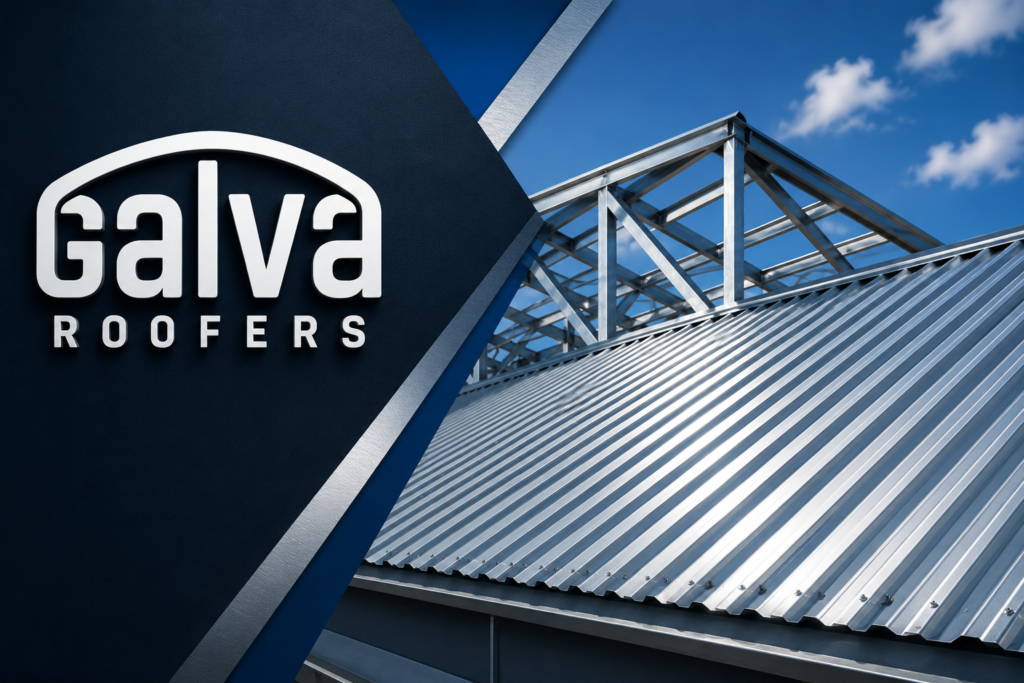
When selecting a roofing system for residential, commercial, or industrial buildings, choosing the right roofing material is one of the most important decisions you can make. Among the various roofing options available today, galvalume roofing sheet solutions have become a preferred choice due to their durability, corrosion resistance, and long-term value.
Whether you’re planning a new construction project or replacing an existing roof, understanding the key factors that affect the performance of Galvalume roofing sheets can help you make a smarter investment. From climate conditions and sheet thickness to installation quality and roof truss work, every factor plays a crucial role in determining the lifespan and efficiency of your roofing system.
This guide covers everything you need to know about Galvalume roofing sheets, helping property owners, contractors, and developers choose the right roofing solution with confidence.
Key Takeaways
- Galvalume roofing sheets offer superior corrosion resistance compared to traditional galvanized sheets.
- Proper roof truss work is essential for maximizing roofing performance and lifespan.
- Sheet thickness directly affects durability and structural strength.
- Climate conditions influence the selection of roofing materials.
- Professional installation significantly reduces future maintenance costs.
- Galvalume roofs can last 40–60 years with proper maintenance.
- Choosing the right supplier ensures quality, warranty coverage, and long-term reliability.
- Regular inspections help prevent costly roofing issues.
Featured Snippet Answer
Galvalume roofing sheets are steel sheets coated with an aluminum-zinc alloy that provides excellent corrosion resistance, durability, and longevity. Important factors to consider include sheet thickness, coating quality, roof truss work, climate suitability, installation quality, maintenance requirements, and supplier reliability. Choosing the right combination ensures long-lasting roofing performance and better return on investment.
Why Galvalume Roofing Sheets Are Popular Today
Galvalume roofing sheets have become a leading roofing choice due to their exceptional ability to resist rust and corrosion while maintaining structural integrity for decades.
Unlike conventional roofing materials, Galvalume combines:
- Aluminum’s corrosion resistance
- Zinc’s sacrificial protection
- Steel’s structural strength
This combination creates a highly durable roofing solution suitable for residential, commercial, industrial, and agricultural applications.
What Is a Galvalume Roofing Sheet?
A Galvalume roofing sheet is a steel roofing panel coated with approximately:
| Component | Percentage |
|---|---|
| Aluminum | 55% |
| Zinc | 43.4% |
| Silicon | 1.6% |
This coating protects the steel core from oxidation and environmental damage.
How Does It Work?
The aluminum layer creates a protective barrier against moisture, while zinc provides sacrificial protection to exposed steel areas. Together, they significantly extend the lifespan of the roofing sheet.Key Factors Everyone Should Know Before Choosing Galvalume Roofing Sheets
1. Sheet Thickness Matters
One of the most overlooked factors is roofing sheet thickness.
Common thickness options include:
| Thickness | Application |
| 0.30 mm | Light residential use |
| 0.40 mm | Standard residential roofing |
| 0.47 mm | Commercial roofing |
| 0.50 mm+ | Industrial applications |
Why Thickness Is Important
Thicker sheets provide:
- Better impact resistance
- Improved structural strength
- Reduced vibration
- Longer service life
Choosing an extremely thin sheet may reduce upfront costs but often results in higher maintenance expenses later.
2. Roof Truss Work Quality
The effectiveness of any roofing system depends heavily on proper roof truss work.
The roof truss acts as the structural framework supporting the roofing sheets.
Why Roof Truss Work Is Critical
Proper roof truss work provides:
- Load distribution
- Wind resistance
- Structural stability
- Enhanced roofing lifespan
Poor truss design can lead to:
- Roof sagging
- Water pooling
- Sheet deformation
- Premature roofing failure
Best Practices for Roof Truss Work
- Use quality steel trusses.
- Follow engineering calculations.
- Maintain proper spacing.
- Ensure accurate alignment.
- Use corrosion-resistant materials.
Professional roof truss work significantly improves roofing performance and safety.
3. Coating Quality and Protection
Not all Galvalume sheets offer the same level of protection.
What to Check
Look for:
- Coating thickness
- Manufacturing standards
- Warranty coverage
- Certification compliance
Higher coating quality generally translates into:
- Better corrosion resistance
- Longer service life
- Lower maintenance requirements
4. Climate and Environmental Conditions
Environmental conditions directly impact roofing performance.
Coastal Areas
Buildings near the sea require roofing materials capable of handling:
- Salt exposure
- High humidity
- Strong winds
Galvalume performs exceptionally well in such environments.
Industrial Areas
Industrial pollution can accelerate corrosion.
Choosing premium-grade Galvalume sheets with superior coatings is recommended.
High-Temperature Regions
Galvalume roofing sheets reflect more heat than traditional roofing materials, helping improve energy efficiency.
5. Roofing Profile Selection
Different roofing profiles serve different purposes.
Corrugated Sheets
Ideal for:
- Warehouses
- Agricultural buildings
- Industrial facilities
Ribbed Profiles
Suitable for:
- Residential projects
- Commercial properties
Standing Seam Roofing
- Premium buildings
- Luxury homes
- Modern architecture
- Water drainage
- Wind resistance
- Structural performance
- Visual appearance
6. Installation Quality
Even the highest-quality roofing material can fail if installed improperly.
Common Installation Mistakes
- Incorrect screw placement
- Poor sheet alignment
- Inadequate overlap
- Missing sealants
- Improper flashing installation
Professional Installation Benefits
- Leak prevention
- Longer lifespan
- Better aesthetics
- Reduced maintenance costs
Always work with experienced roofing contractors.
7. Fasteners and Accessories
Roofing systems are more than just sheets.
Supporting components include:
- Screws
- Flashings
- Ridge caps
- Gutters
- Sealants
Low-quality accessories often become the first point of failure.
Recommended Practice
Use manufacturer-approved accessories to maintain warranty coverage and roofing integrity.
Benefits of Galvalume Roofing Sheets
Superior Corrosion Resistance
Galvalume roofing sheets typically outperform traditional galvanized steel in corrosion resistance.
Longer Lifespan
Many Galvalume roofs last between 40 and 60 years under normal conditions.
Energy Efficiency
Reflective surfaces reduce heat absorption.
Benefits include:
- Cooler indoor temperatures
- Reduced HVAC usage
- Lower electricity bills
Low Maintenance
Minimal maintenance requirements help reduce ownership costs.
Attractive Appearance
Modern architectural designs often favor the clean and professional appearance of Galvalume roofing systems.
Quick Facts About Galvalume Roofing Sheets
| Feature | Galvalume Roofing Sheet |
| Expected Lifespan | 40–60 Years |
| Corrosion Resistance | Excellent |
| Heat Reflection | High |
| Maintenance Requirement | Low |
| Structural Strength | High |
| Residential Use | Yes |
| Commercial Use | Yes |
| Industrial Use | Yes |
Galvalume vs Traditional Galvanized Roofing
| Factor | Galvalume | Galvanized |
| Corrosion Resistance | Excellent | Good |
| Lifespan | Longer | Moderate |
| Heat Reflectivity | High | Moderate |
| Maintenance | Lower | Higher |
| Cost Efficiency | Better Long-Term | Lower Initial Cost |
| Coastal Performance | Excellent | Moderate |
Pros and Cons of Galvalume Roofing Sheets
| Pros | Cons |
| Long lifespan | Higher upfront cost |
| Excellent corrosion resistance | Requires professional installation |
| Energy efficient | Premium grades cost more |
| Attractive appearance | Poor installation can reduce lifespan |
| Low maintenance | Specialized accessories may be needed |
Industry Insights and Statistics
Growing Demand
The global metal roofing industry continues to grow due to:
- Increased construction activity
- Demand for sustainable materials
- Long-term cost savings
Sustainability BenefitsGalvalume roofing sheets are:
- Recyclable
- Energy-efficient
- Environmentally friendly
Many modern green building projects incorporate Galvalume roofing systems to achieve sustainability goals.
Expert Recommendations
Industry professionals generally recommend:
For Residential Buildings
- Minimum 0.40 mm thickness
- Quality roof truss work
- Professional installation
For Commercial Projects
- 0.47 mm or higher
- Structural engineering review
- Certified roofing contractors
For Coastal Areas
- Premium-grade Galvalume
- Additional protective coatings
- Regular inspections
Investing in quality materials and installation typically provides the highest long-term return on investment.
Common Mistakes to Avoid
Choosing Based Only on Price
Lower-cost roofing often results in higher maintenance expenses.
Ignoring Roof Truss Work
Even premium roofing sheets require strong structural support.
Using Low-Quality Fasteners
Fasteners frequently become the weakest point in roofing systems.
Poor Installation Practices
Incorrect installation can void warranties and shorten roof lifespan.
Skipping Maintenance
Regular inspections help identify small issues before they become costly repairs.
How to Choose the Right Galvalume Roofing Provider
Experience
Choose contractors with proven roofing expertise.
Material Quality
Verify certifications and manufacturer warranties.
Installation Standards
Review previous projects and customer testimonials.
Support Services
Look for companies offering:
- Site inspections
- Design consultation
- Maintenance support
- Warranty assistance
Pricing Transparency
Request detailed quotations to avoid hidden costs.
Need Expert Roofing Guidance?
Choosing the right roofing solution requires more than simply selecting a roofing sheet. Factors such as sheet thickness, coating quality, environmental conditions, installation standards, accessories, and professional roof truss work all contribute to the overall performance and lifespan of your roof.
A well-designed Galvalume roofing system offers excellent durability, corrosion resistance, energy efficiency, and long-term value. By understanding these critical factors before making a purchase decision, property owners can avoid costly mistakes and ensure a roofing investment that delivers reliable protection for decades.
Frequently Asked Questions (FAQs)
1. What is a Galvalume roofing sheet?
A Galvalume roofing sheet is a steel sheet coated with aluminum, zinc, and silicon to provide superior corrosion resistance and durability. It is widely used in residential, commercial, and industrial roofing applications.
2. How long does a Galvalume roof last?
A properly installed and maintained Galvalume roof can last between 40 and 60 years, depending on environmental conditions and material quality.
3. Is Galvalume better than galvanized roofing?
Galvalume generally offers better corrosion resistance, longer lifespan, and improved heat reflectivity compared to traditional galvanized roofing.
4. Why is roof truss work important?
Roof truss work provides structural support for roofing sheets, ensuring proper load distribution, stability, and long-term performance.
5. What thickness is best for residential roofing?
For most residential applications, a thickness between 0.40 mm and 0.47 mm is commonly recommended.